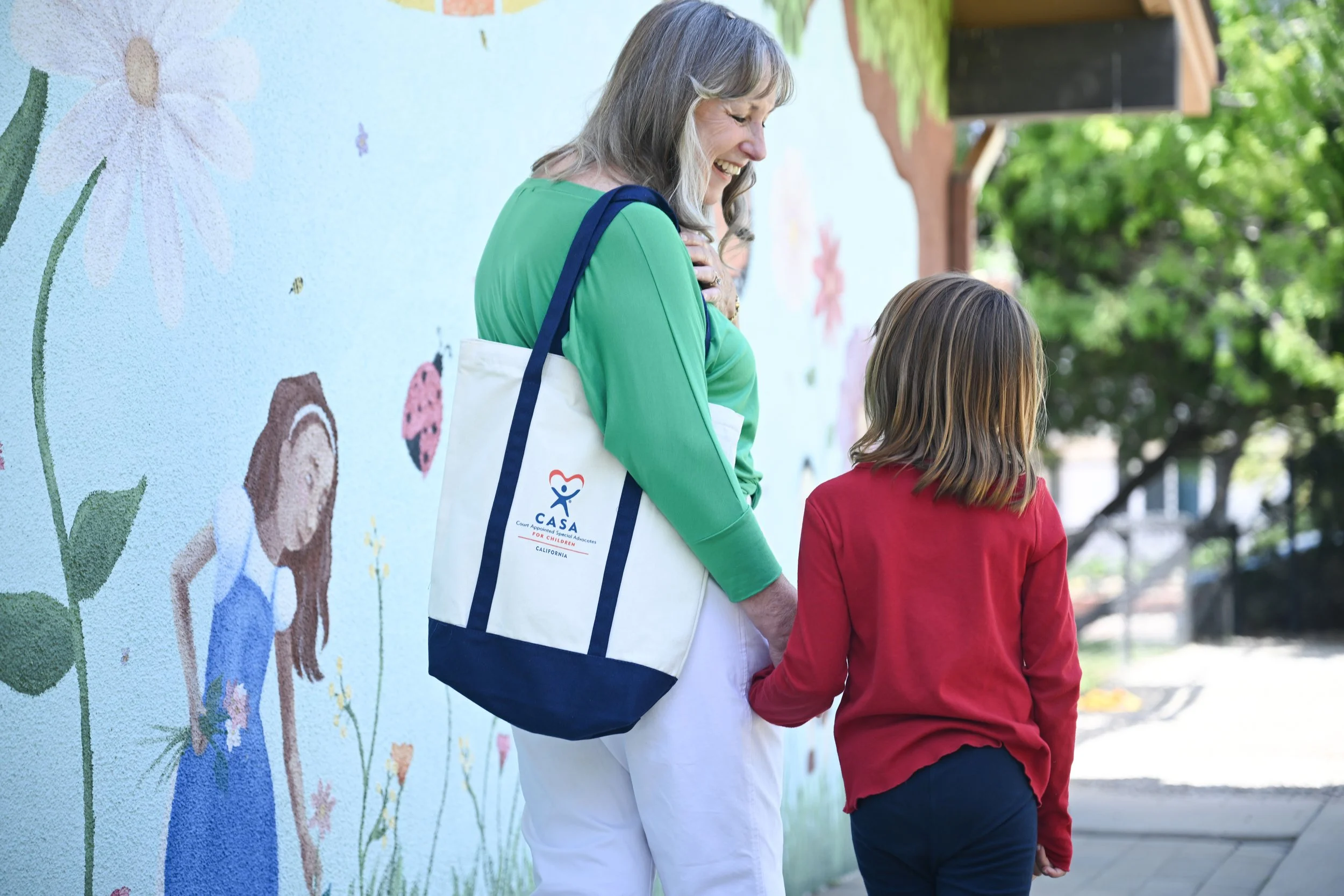
Every child in foster care deserves to be seen, heard, and valued.
More than 350 children in San Francisco are waiting for someone to show up. Start your journey with an info session →
Who is a CASA?
A CASA (Court Appointed Special Advocate) is a trained, committed adult who advocates for a young person in San Francisco’s foster care. CASAs build trust, speak up for their well-being in court, school, and life, and show up when a child needs them most.
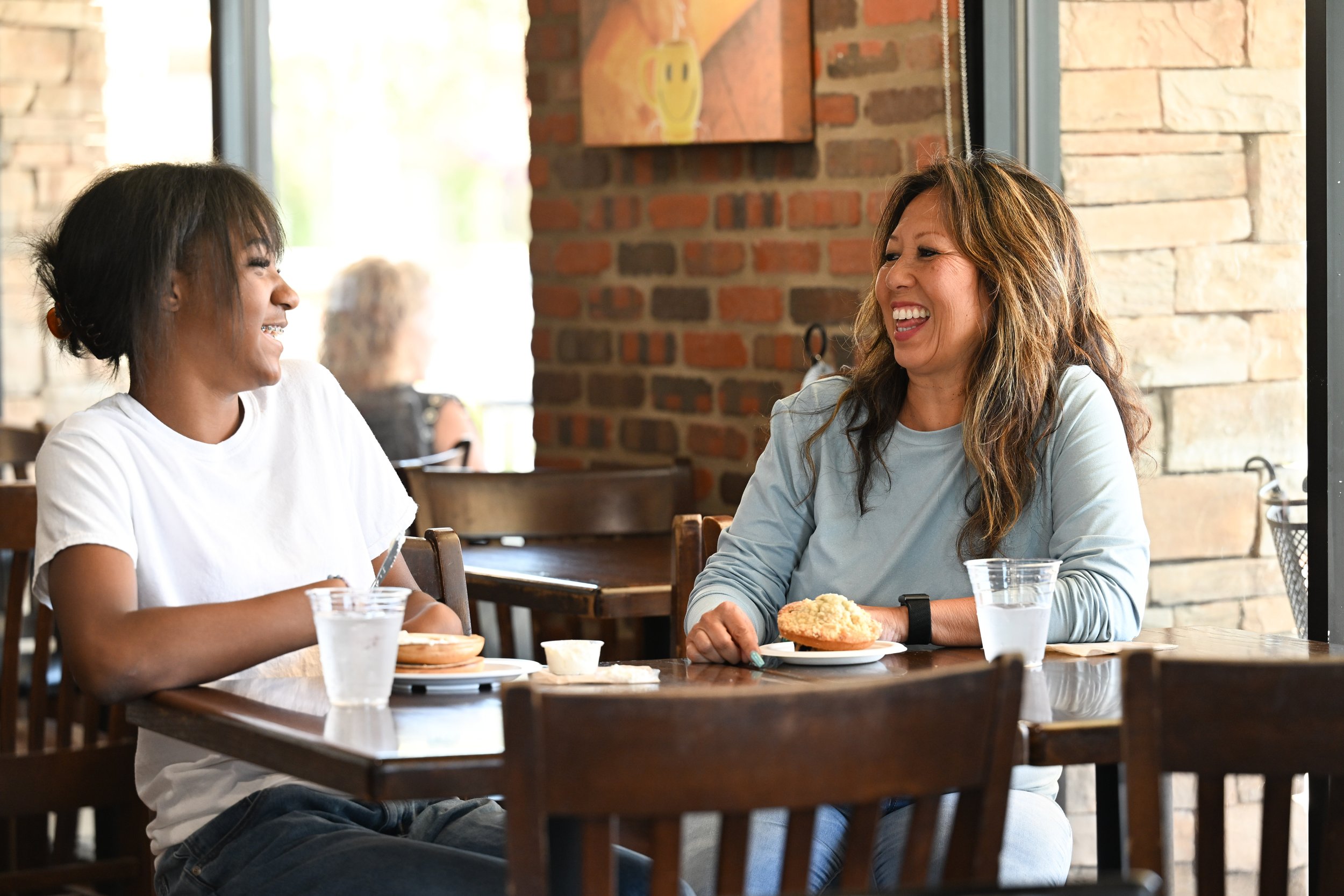
Steps to becoming a CASA
You’re not alone in your journey. We’re here to help you every step of the way.
Step 1: Attend an information session
Get an overview of the program, ongoing support, and resources available to volunteers. These 1-hour sessions are offered both in-person and online.
Step 2: Apply online
Once you discover that being a CASA is right for you, your enrollment proceeds with an application, a background check, and an interview.
Step 3: Complete training
The 40-hour hybrid training combines in-person and online learning and is designed to set anyone up for success — no prior experience required.
Step 4: Get matched!
After being sworn in by the court, all SFCASA volunteers are matched with a dedicated Case Supervisor to support them. You’re now ready to meet the young person!
What San Francisco youth are saying
"We get to go out and explore new places I'd never heard of before."
Noah, Age 11
"My CASA thinks about me.”
Sophia, Age 7
"Having a CASA helps me cope with what I am going through."
Mateo, Age 16
All the ways CASAs can support children and youth





Community and family connections
As youth grow up, having caring and supportive adult and peer relationships brings a sense of belonging in their communities. As a CASA, it’s important to help youth create and maintain their own support systems – even after their time in foster care.
Real Stories: Angela & Molly
Angela met her CASA, Molly, in 2021, while caring for her baby. Molly advocated for Angela’s education and childcare needs, introduced her to local resources, and encouraged her to pursue early childhood education. Molly continues to support Angela’s journey toward a bright future.
Education and career
We help youth receive the academic support they need to make progress in school, and explore and achieve their goals at their own pace.
Real Stories: Johan & Emma
After frequent school changes, Johan struggled but stayed focused on going to college. Emma supported him with tutoring and helped him reconnect with school through shared interests like basketball and music. With help from Emma and his support team, Johan graduated in 2024.
Independent living skills (ages 16+)
As youth approach adulthood, they need to develop new skills to thrive. At 16, they’re eligible for Independent Living Skills programs, like San Francisco ILSP, which help youth navigate school, post-high school goals, jobs, healthcare, finances, and more.
Real Stories: Alex and Steve
At 17 years old, Alex told his advocate, Steve, he wanted to live on his own, so Steve attended an SFCASA Continuing Education workshop. He learned about housing waitlists and how Alex could get a place of his own, a roommate, or housemates and housing until he is 24. Steve and Alex met with Alex’s social worker to review the requirements and support Alex to move into a Transitional Housing Program.
Healthcare
Every youth between the ages of 0 and 21 has access to healthcare to maintain physical, mental, behavioral, and when appropriate, sexual reproductive health.
Real Stories: Liz and Margo
Margo has been working with Liz, and Liz shared she has been sleeping over at her boyfriend's house. They were able to have a conversation about safe sex, birth control options, and medical insurance for regular check-ups, because her last check-up was when she was 8 or 9 years old.
Placement and housing
Youths are placed based on their level of need. CASAs are actively involved in exploring home placement options beyond long-term foster care.
Real Stories: Max & Adam
Max is 7 years old and works with Adam. Max has been in 3 placements and has now reconnected with an aunt whom he wants to live with. As his CASA, Adam told Max he couldn’t promise that he would be able to move in with her. But what he could do is share Max’s feelings about his aunt with the team and start conversations about possibly moving in with her, and that it would take time and patience.
Wellbeing
Wellbeing is at the heart of this work — it brings together healthcare (especially mental health) with strong connections to family and community. CASAs support youth in speaking up for what’s best for them — with their team, in court, and in the community. They help young people explore their strengths, build a strong sense of identity, and imagine a bright future for themselves.
Real Stories: Shiloh & Lauren
Since getting matched with Shiloh, Lauren has supported Shiloh to explore relationships with extended family members as a step to prioritize their mental health journey. Shiloh expressed that every therapist they’ve had has been a student, and they would rather have a certified professional. Lauren brought this to the attention of the team, and a Child and Family Team (CFT) meeting took place to understand Shiloh’s needs and the best way to support them.
Ready for the next step?
Sign up for one of our upcoming Info Sessions or email our Volunteer Engagement Specialist, Eduardo Mayorga, at eduardo@sfcasa.org for more information.