What it takes to become a CASA
Understand the requirements, responsibilities and what support is available to you on your entire San FranciscoCASA journey.
CASA overview
Take a look at each step of your CASA journey to learn about requirements, what CASAs do, and continued volunteer support.
1. Prerequisites
Every CASA starts with meeting requirements to make sure you’re prepared and set up for success.
-
Volunteers must be over 21 and pass a background check.
No legal or child welfare experience needed—we’ll train you!
If you’ve had personal experience with the system (as a foster youth, caregiver, etc.), we’d love to hear from you.
-
Just basic email and computer skills—you’ll use them for training and writing court reports.
-
Not necessarily. You just need a reliable way to meet with your youth.
If you plan to drive them, you’ll need a valid CA license and insurance.
-
Certain serious offenses such as child abuse or violent crimes will automatically disqualify you from volunteering.
Other offenses are reviewed case by case.
If you’ve had a DUI, you can still volunteer—but you’ll need to wait four years before driving a youth.
-
Yes! Bilingual volunteers are especially needed.
-
Nope! As long as you can attend court hearings and visit your youth in SF or nearby areas, you’re good.
2. Responsibilities
Learn about what it’s like to be a CASA volunteer and how we’ll guide you every step of the way.
-
You’ll get to know your youth, visit regularly, and be a consistent presence in their life.
You’ll also write brief court reports, attend team meetings, and advocate for what’s best for them.
-
Most volunteers spend about 12–16 hours a month.
This includes youth visits, court hearings, quick check-ins, and writing court reports.
-
You’ll start with 40 hours of hybrid training.
After that, there’s 12 hours of continuing education each year.
We’ll be here to support every step of the way.
-
We ask for at least a two-year commitment, or until your youth’s case closes.
Staying consistent makes a big difference for the young people we serve.
3. Continued Support
You’ll never be alone — you’ll have a dedicated supervisor, access to ongoing training, and a network of CASAs to support you.
-
You’ll be matched with a dedicated supervisor who’ll support you with monthly check-ins the whole way.
Volunteers also have access to continuing education.
-
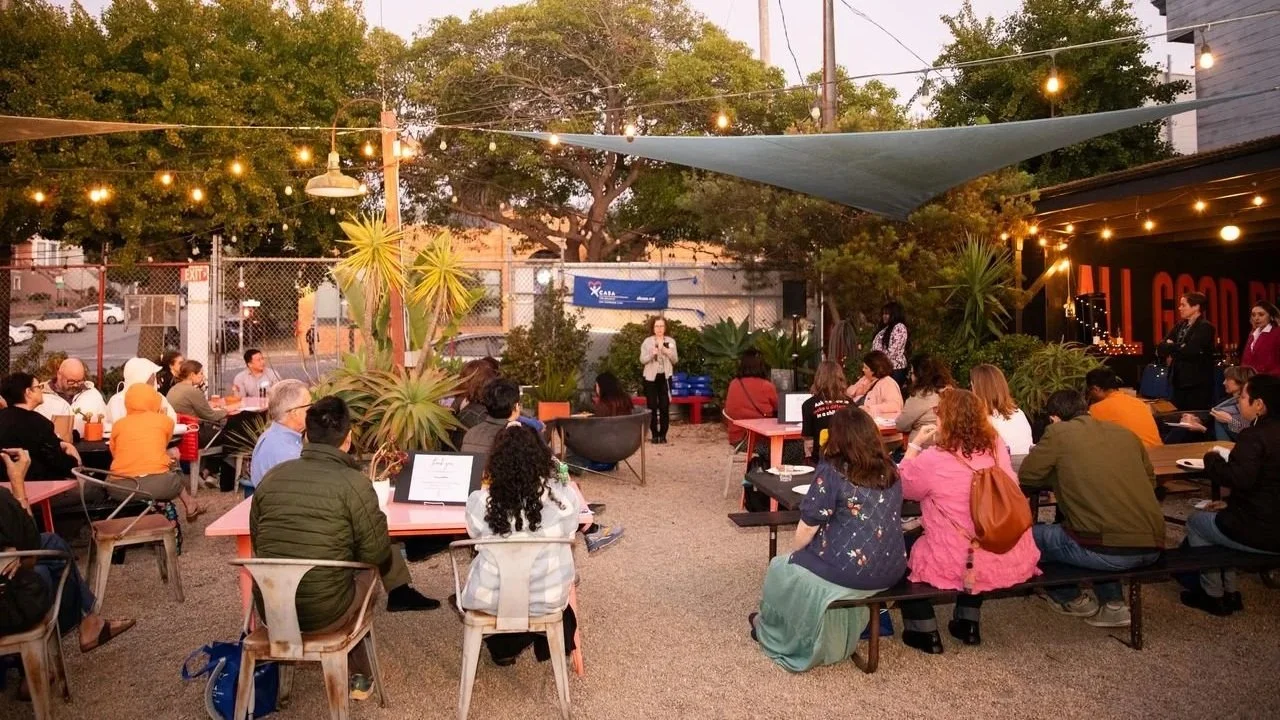
Yes! Volunteers are presented with plenty of opportunities to connect with others.
You’ll be part of a larger volunteer community who's got your back. Whether you need help, guidance, or just someone to talk to, we’re here for you.
-
While you can both volunteer as a CASA, each person will work with a different youth. Everyone volunteers one-on-one.
Myths and facts about becoming a CASA
-
Starting CASA training and committing to a youth in San Francisco can feel intimidating. Let’s separate fact from fiction about volunteering with SFCASA.
-
Myth #1: You need a specific degree or experience
Fact: No prior degree or social work experience is required. SFCASA provides free, comprehensive training on the foster care system, child development, trauma, and advocacy. What matters most is being a consistent, compassionate, and trusted adult.
-
Myth #2: CASA volunteers are mostly middle-aged, white, and affluent
Fact: Volunteers come from all ages, backgrounds, and cultures. CASA actively recruits diverse advocates to reflect the children they serve.
-
Myth #3: CASA work is always immediately rewarding
Fact: While CASA work is deeply meaningful, it can be challenging. Volunteers navigate complex situations with support from an Advocate Supervisor, finding purpose even when progress is slow.
-
Myth #4 You must fully understand the foster care system
Fact: Training and supervision guide every CASA. Volunteers provide unique one-on-one advocacy that children often don’t get elsewhere, showing care through consistent presence and attention.
-
Myth #5: Being a CASA is too big a commitment
Fact: CASA visits typically happen twice a month and require a two-year commitment, helping provide stability for youth amid life disruptions. Most volunteers alsowork full-time.
Ready for the next step?
Sign up for one of our upcoming Info Sessions or email our Volunteer Engagement Specialist, Eduardo Mayorga, at eduardo@sfcasa.org for more information.