
Stories of hope
Inside the CASA journey
Discover real stories from our community — podcasts, blog posts, and moments of inspiration that shine a light on what it truly means to show up for a child in foster care. Explore the voices, experiences, and everyday courage that shape the heart of our work.

Listen to In Their Corner
From the history of CASA, to the pairing process, to exciting and nerve-wracking first meetings, hear what it's really like to volunteer with us in this short audio series.
In our first episode, our executive director Kate Durham, along with some volunteer advocates, explains the origin story of CASA, and why the organization exists in San Francisco.

Hear from real volunteers about how and why they first heard about SF CASA and decided to volunteer.
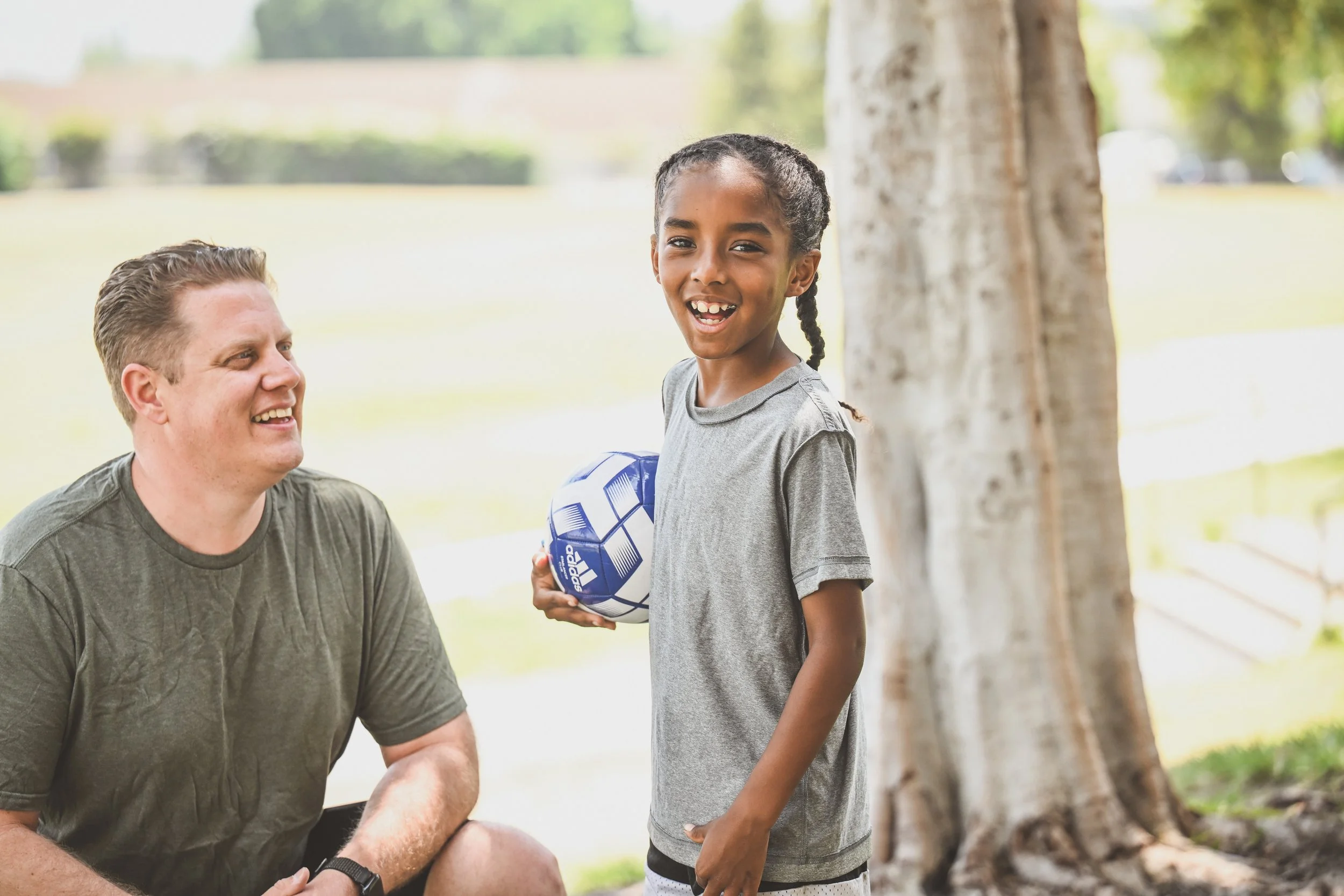
In this episode, we hear from real volunteers about the process of being paired with a youth and meeting them for the first time.
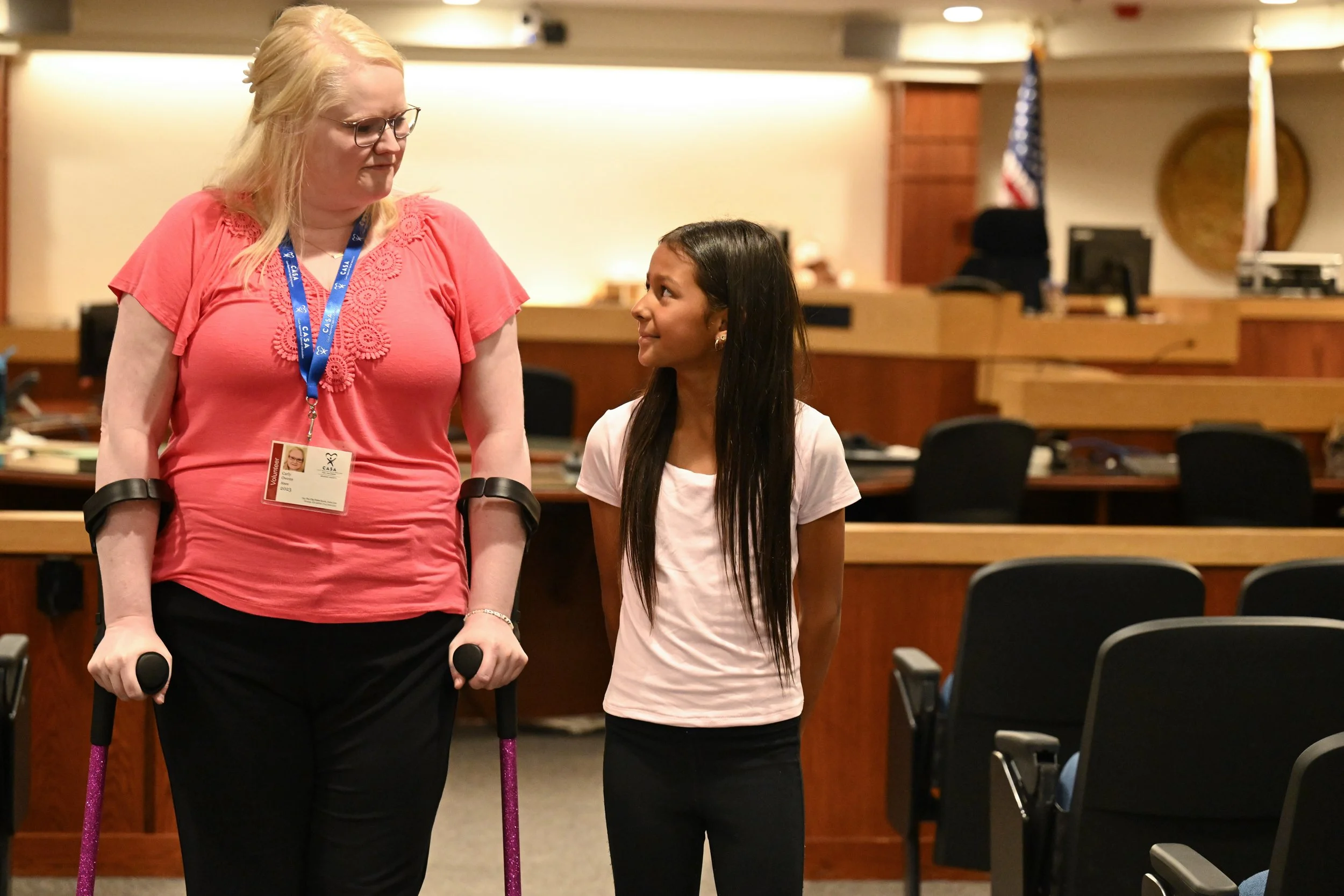
Hear how CASAs built off of their exciting, nerve-wracking, sometimes awkward first meetings to start building relationships.
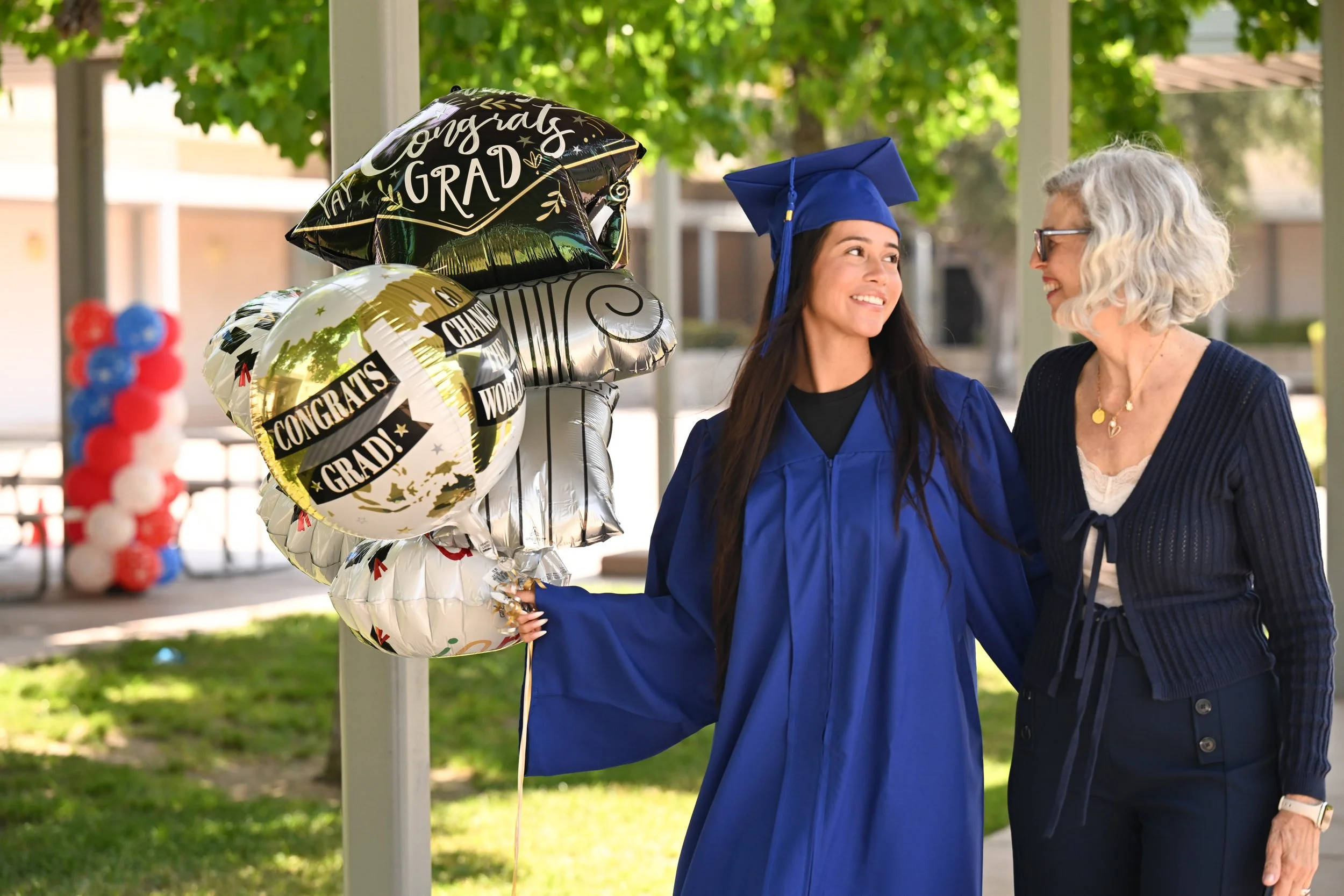
Learn about the impact of CASAs, on the volunteers themselves and the youth they serve.

Hear about a crucial part of the CASA role — writing court reports and advocating for their young person in the court system.
In this part, we’re hearing about how CASAs might get involved in a youth’s education.
Conversations between CASAs and youth
From volunteer experiences to behind-the-scenes perspectives, hear directly from those in the program—one story, one insight, one moment at a time.
Like a family
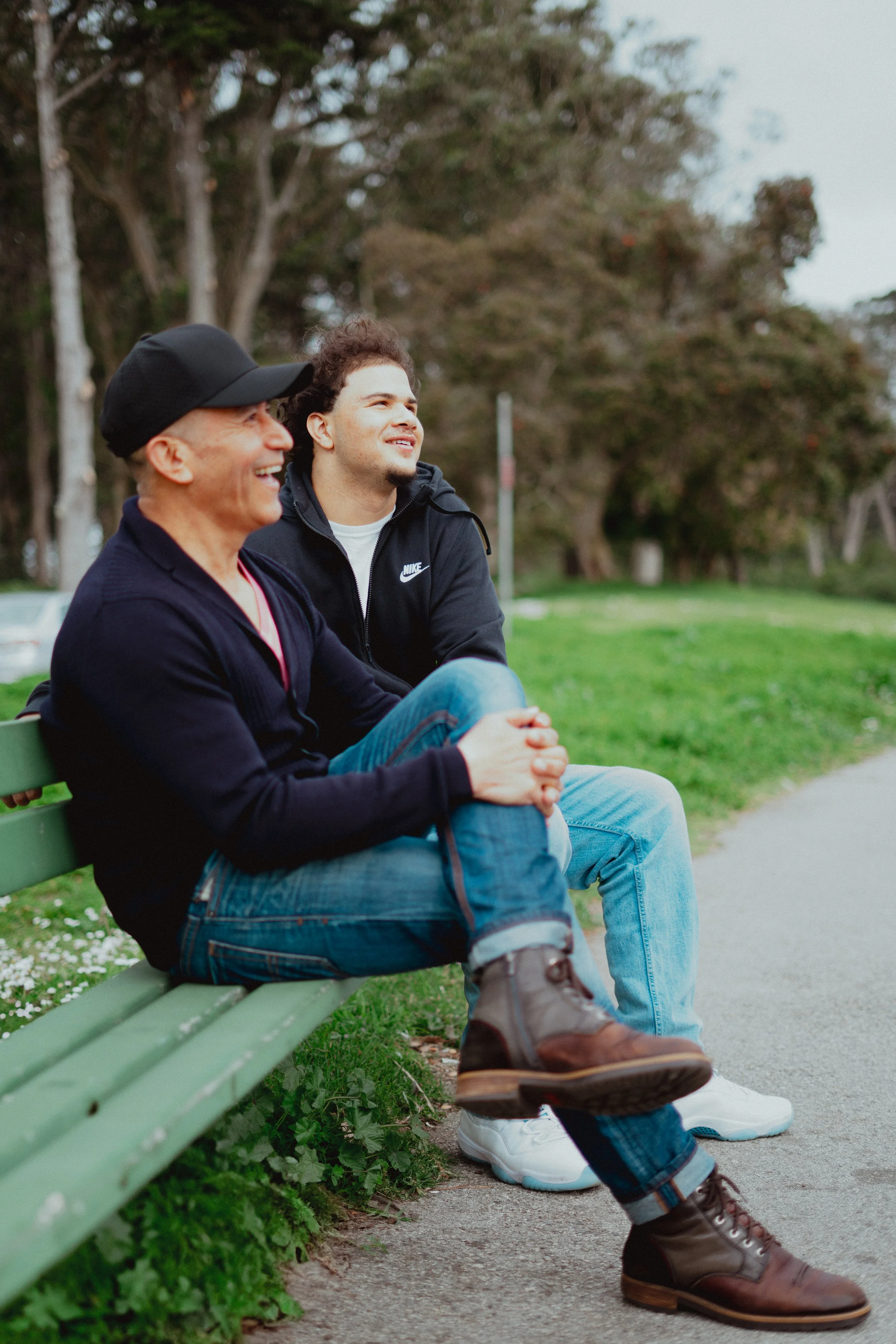
Meet Gerardo & Demarcus
When Gerardo first met Demarcus more than six years ago, neither of them knew just how important their relationship would become. What they did know—even early on—was that building trust wouldn’t happen overnight.
“Like any relationship, it doesn’t start easy; it takes work,” Gerardo recalls. “It took a good solid year.”
For youth in foster care, that hesitation is understandable. Many have been surrounded by adults who come and go — social workers, caregivers, service providers. So when a new adult enters their life, it’s natural to wonder how long they’ll stay.
Demarcus remembers feeling exactly that.
“I told myself: don’t put too much effort in because he might leave. Not every worker is going to stay 24/7. It was hard to open up to another adult because I didn’t want him to come into my life and then leave.”
But Gerardo showed up consistently, even through tough moments. He set boundaries. He kept Demarcus safe. And most importantly, he didn’t walk away when things got complicated. Gerardo describes one pivotal evening early in their match:
“I stood my ground… it was a tough situation because I think it was the first time he really pushed hard against me. He was testing me, really. But at the end of the day… we ended up mending things, and things went back to normal. That was the turning point for sure.”
Over time, the walls came down. Trust grew. What began as a structured volunteer match slowly became something deeper—part partnership, part friendship, part chosen family.
“I call him more than my CASA. We’re like family,” Demarcus says. “He knows a lot about me, I know a lot about him… we know each other’s backgrounds. We’ve shown each other where we come from.”
One of the dreams they now share? Traveling together. Demarcus hopes their first big trip will be to Mexico, where Gerardo is from— a chance to continue learning about each other’s worlds in the same way he once showed Gerardo the San Francisco Tenderloin neighborhood where he grew up.
“After my case closes and everything’s together, we can take a trip,” he says. “I want to go to Mexico… see what his background’s like.”
Demarcus jumps in with his plan:
“We’re gonna be in the clubs, we’re gonna be outside. Gotta be out and about.”
And Gerardo responds:
“Yeah. But I want to make sure he’s safe.”
Their connection is a reminder of what can happen when one adult shows up and keeps showing up. It’s a testament to the power of consistency, patience, humor, and understanding—qualities that define what it means to be a CASA.
It’s also proof that the impact of a CASA relationship doesn’t end when a case closes. Sometimes, it’s only the beginning.
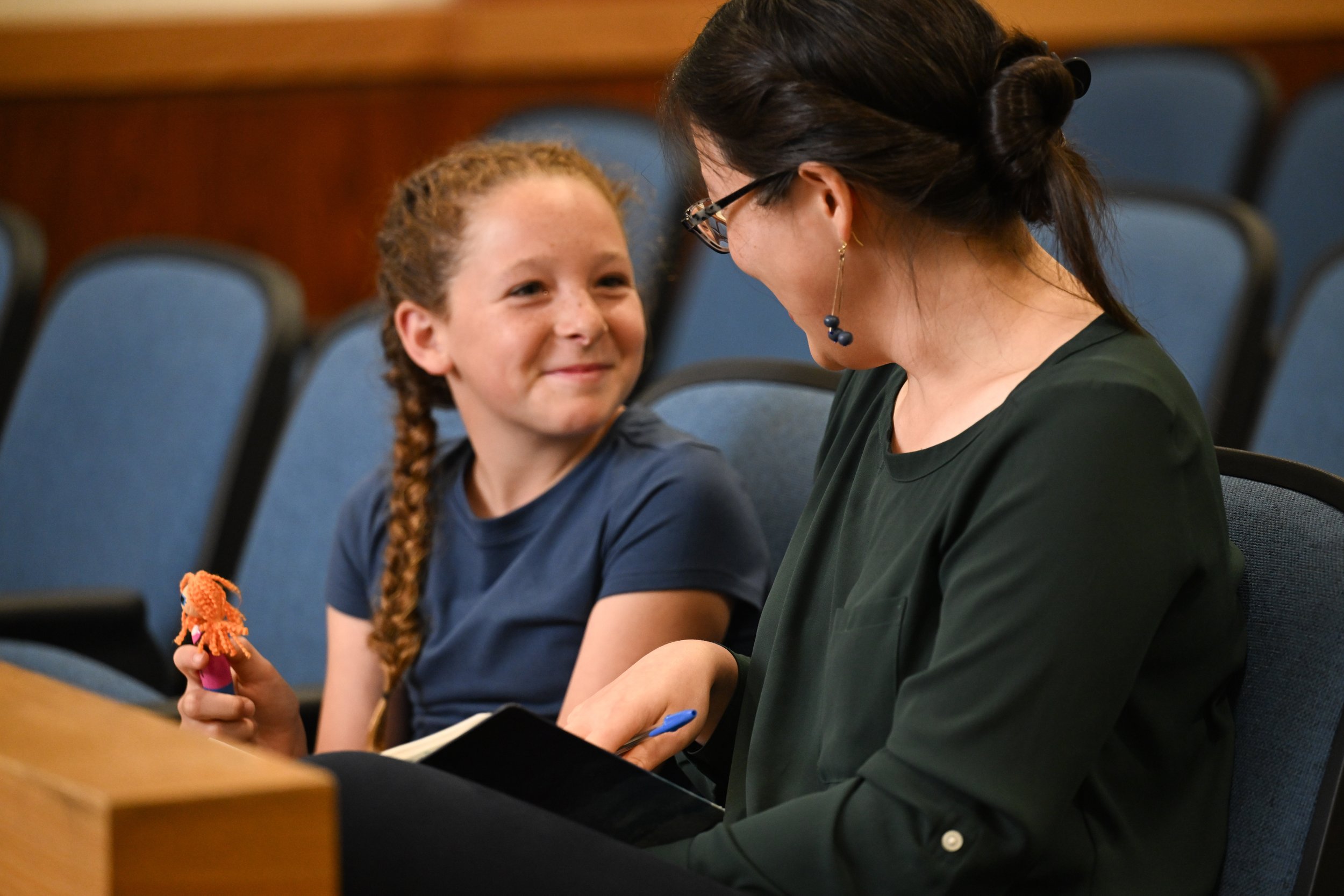
Building trust, one conversation at a time
Meet Laura & Fanny
When Laura first met Fanny, there was a small but meaningful moment that set the tone for their growing relationship. The social worker had told Fanny:
“Okay, she speaks Spanish.”
Because Fanny was worried about that. She thought:
“I don't know. I don't think she speaks Spanish.”
Laura reassured her, and Fanny grinned, realizing she could speak Spanish just fine.
It’s a small exchange, but it speaks volumes. Language, culture, and understanding are more than just practical details—they’re the foundation for trust, especially for youth in foster care. For Fanny, knowing Laura could speak Spanish was the first step toward feeling seen and understood.
As with many CASA-youth relationships, trust doesn’t happen instantly. There are doubts, worries, and the natural hesitation that comes from past experiences. Fanny remembers feeling anxious that Laura might forget about her.
“Oh, I thought you forgot about me because you didn’t text me today.”
For her, it wasn’t just about communication — it was about knowing someone cared enough to stay present. But Laura reassured her that she wouldn’t.
Moments like these—small texts, check-ins, and conversations—are the heartbeat of a CASA relationship. They show consistency, reliability, and care. For Fanny, knowing that Laura would be there, even in little ways, helped build the trust that makes their connection strong today.

Helping dreams take shape
Meet Joe & Daniel
For youth in foster care, having a consistent, caring adult can make a world of difference. For Daniel, that adult has been Joe, his CASA volunteer. Together, they’ve tackled everyday tasks, big milestones, and even some fun dreams along the way.
Daniel shares that Joe has helped him with practical goals, like getting his driver’s license, but also with a long-held wish: getting a dog. Daniel says, grinning:
“Yeah. For three years.”
Joe remembers the process vividly.
“The dog was very fun. We had to work on getting the letter from his therapist for the emotional support animal accommodation. Once we got that, we found a place to look for animals. We decided to look for just one dog. In the end, we adopted ‘Blue.’”
Their work together goes far beyond pets. Joe keeps a running list of everything Daniel wants to accomplish: setting up an Internet account, preparing for Laney College where Daniel wants to study cosmetology, managing health needs, exploring job opportunities, and even planning for a passport. “We’ve done a lot. This is our already-done list right here,” Joe says, scrolling through a long list on his phone.
For Joe, the most meaningful part of volunteering isn’t the tasks — it’s the connection.
“What surprised me is that I actually really got the connection that I wanted. I always ask him, like, is it okay that I hug you? Is it okay that we spend more time together? And he’s like, ‘yeah, it’s okay.’ So I guess we’re doing something right.”
It’s a reminder that CASA volunteers aren’t just advocates — they’re mentors, friends, and trusted adults who help youth navigate life while providing stability, care, and encouragement every step of the way.